
Our Stormwater & Drainage Engineering Process
- Every project begins with a detailed evaluation of stormwater runoff conditions. We analyze watershed characteristics, soil infiltration capacity, existing drainage patterns, and impervious surface projections to determine runoff volume and peak flow rates. Using hydrologic and hydraulic modeling tools, we simulate rainfall events against local storm data to validate system performance before construction begins. This modeling-driven approach ensures stormwater management design decisions are supported by measurable data.
- Stormwater management plans must align with municipal standards, state permitting requirements, and federal guidelines where applicable. We evaluate land disturbance permit thresholds, stormwater control plan requirements, and NPDES or MS4 compliance standards early in the process. Equally important is drainage law awareness. We assess downstream capacity, natural discharge points, and legal flow paths to ensure your stormwater management system complies with the natural flow rule and avoids unreasonable impact to adjacent properties.
- With regulatory parameters established, we advance stormwater system design concepts. This includes stormwater detention design, stormwater retention design, outlet control structures, emergency overflow routing, and stormwater BMP design. Through iterative stormwater modeling and stormwater system engineering, we refine basin sizing and control elevations to meet both quantity and water quality objectives. The result is a performance-driven stormwater management system tailored to your site conditions.
- Storm drainage design must integrate seamlessly with grading, utilities, and roadway geometry. We develop storm drainage design and site drainage design layouts that coordinate with architectural elements and underground utility networks. Our drainage engineering design scope may include underground drainage design, road drainage design, surface drainage design, and channel drainage stabilization. Outfall and downstream analysis verifies tie-in capacity and long-term system stability.
- Modern stormwater management extends beyond traditional basins. We incorporate green stormwater infrastructure design strategies such as permeable pavement systems, bioswales, rain gardens, and infiltration practices where appropriate. Permeable pavement allows water to pass through the surface, filter pollutants, and recharge underlying soils - reducing stormwater pollution and improving urban stormwater conditions. These stormwater best management practices design solutions support both regulatory compliance and environmental performance.
- Clear documentation is essential for compliance and construction alignment. We prepare stormwater management plans, stormwater control plans, and stormwater pollution prevention design (SWPPP) documentation required for permit approval. During construction, we support implementation through documentation updates, agency coordination, and compliance verification to ensure stormwater runoff management systems are built as designed.
What’s Included in Professional Stormwater & Drainage Services
Professional stormwater management services include more than detention basin sizing. Our scope of stormwater & drainage engineering may include:
- Stormwater management plan preparation
- Stormwater management system design
- Stormwater design engineering and modeling
- Stormwater detention design and retention design
- Stormwater BMP design and green infrastructure stormwater design
- Drainage engineering design and storm drainage design
- Hydrology drainage design and performance analysis
- Drainage structures design and channel stabilization
- Floodplain and downstream impact studies
- Erosion control and sediment management design
- Stormwater pollution prevention design (SWPPP)
- Construction-phase stormwater compliance support
This integrated approach ensures stormwater infrastructure design supports long-term site performance and regulatory confidence.
What Impacts Stormwater Management Cost & Timeline?
Stormwater pricing and project timelines vary based on several technical factors. Common cost and schedule drivers include:
- Impervious surface coverage and runoff volume
- Soil conditions and infiltration capacity
- Required detention or retention volume
- Downstream system capacity limitations
- Floodplain constraints and environmental overlays
- Water quality treatment standards
- Regulatory review cycles and permitting timelines
By evaluating these variables early, we provide realistic budgeting guidance and improve predictability in the stormwater management process.
Commercial, Residential & Industrial Stormwater Expertise
Austin Engineering supports stormwater management design across diverse development types.
Commercial & Urban Development
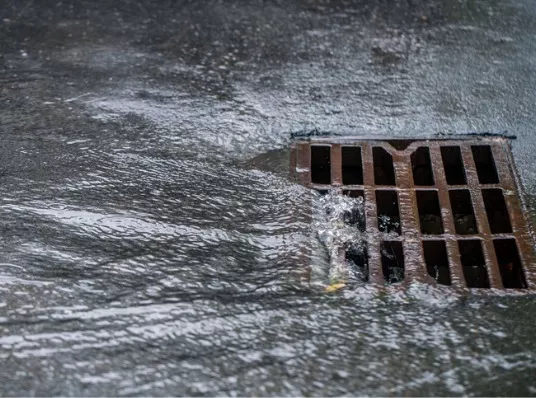
Commercial projects often involve high impervious coverage and tight site constraints. We design underground detention systems, parking lot drainage networks, and urban stormwater solutions that integrate stormwater control design with operational efficiency and pollution prevention objectives.
Residential & Subdivision Drainage
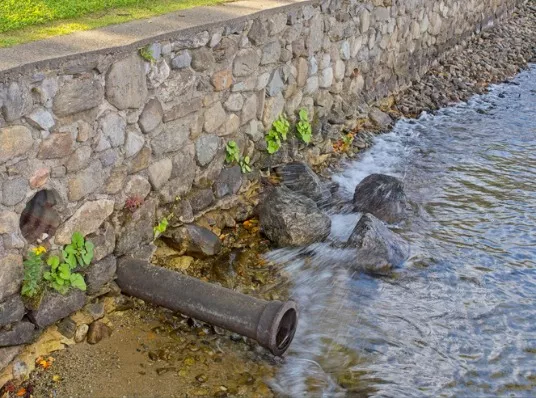
Residential land development requires coordinated lot grading, roadway drainage, and subdivision detention design. We balance surface drainage planning with long-term maintenance considerations to protect both homeowners and downstream properties.
Industrial & Infrastructure Systems
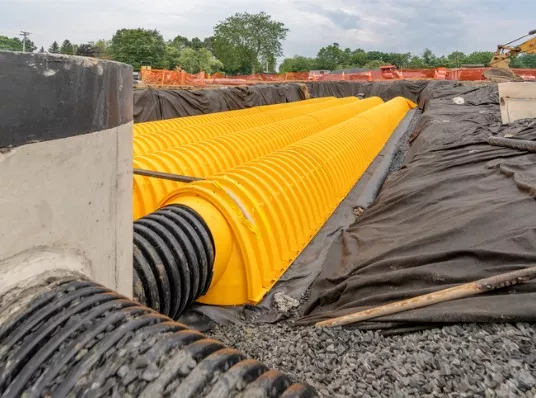
Industrial sites demand large-scale drainage system design capable of managing heavy runoff volumes. Our experience in infrastructure stormwater compliance, channel drainage design, and erosion stabilization supports complex operational environments.
Stormwater & Drainage Engineering Across Peoria, Davenport & Chattanooga
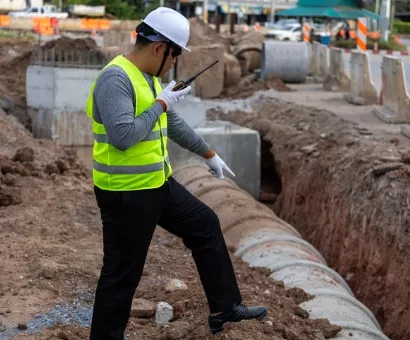
Our stormwater & drainage engineering services are supported by physical offices positioned to serve Illinois, Iowa, and Tennessee with consistent technical standards and local regulatory familiarity.
-
Peoria, Illinois - Corporate Headquarters
311 SW Water Street, Suite 215
Peoria, IL 61602From our Peoria headquarters, we support stormwater management services throughout Central Illinois. Our familiarity with regional rainfall data, municipal stormwater standards, and drainage law considerations helps streamline approval and protect site performance.
Stormwater & Drainage in Peoria, IL -
Davenport, Iowa - Branch Office
220 Emerson Place, Suite 101-A
Davenport, IA 52801In Eastern Iowa, we address river-influenced drainage conditions, detention requirements, and urban stormwater management aligned with local review expectations.
Stormwater & Drainage in Davenport, IA -
Chattanooga, Tennessee - Branch Office
2115 Stein Drive, Suite 201
Chattanooga, TN 37421Our Chattanooga engineers manage hillside runoff, erosion control, and stormwater runoff management strategies designed for varied terrain and regional rainfall intensity.
Stormwater & Drainage in Chattanooga, TN
Why Austin Engineering for Stormwater & Drainage?
-

Code-Compliant, Performance-Driven Design
We design stormwater management systems that meet regulatory standards while performing reliably during real-world storm events. Compliance and resilience are engineered together—not separately.
-

Advanced Modeling & Analysis
Our stormwater modeling approach integrates hydrologic and hydraulic analysis to validate system performance before construction. Data-driven decisions reduce uncertainty and improve constructability.
-

Drainage Law & Liability Awareness
Understanding drainage law and downstream responsibility is critical to risk mitigation. We design stormwater control systems that respect natural discharge paths and reduce liability exposure.
-

Green Infrastructure Expertise
From permeable pavement to bioswales and other stormwater best management practices, we incorporate sustainable strategies that enhance water quality and long-term performance.
See What Our Clients Are Saying
“Austin Engineering has the expertise to handle anything and everything civil in my experience. Their services are reliable, timely and fairly priced. I would recommend Austin Engineering do your project any day of the week!”
“Austin Engineering is an excellent firm. Our company and related entities have been using Austin as our engineering firm of choice for many years. They have always been professional and trustworthy. If you need a job in a hurry, they are always able to help.”
Frequently Asked Questions About Stormwater & Drainage
A stormwater management plan typically includes runoff calculations, detention or retention design, drainage layouts, BMP selection, erosion control strategies, and documentation required for regulatory approval.
Detention systems temporarily store stormwater and release it at a controlled rate, while retention systems are designed to hold and infiltrate water on site to reduce runoff volume.
Stormwater control plans are generally required when land disturbance thresholds are exceeded or when development increases impervious surface coverage beyond local limits.
Drainage law governs how stormwater runoff may be redirected and establishes responsibility for downstream impacts. Proper engineering design helps ensure compliance with the natural flow rule.
Green stormwater infrastructure includes practices such as permeable pavement, bioswales, and rain gardens that mimic natural processes to manage stormwater runoff and improve water quality.
Permitting timelines vary based on jurisdiction and project complexity, but early coordination and complete documentation significantly improve predictability.
How Stormwater & Drainage Fits Into Your Civil Engineering Plan
Stormwater & drainage engineering is one part of our broader Civil Engineering services—and it functions best when coordinated with grading, utilities, and overall site planning from the beginning.
- Site Development: Align grading, utilities, and layout strategy to support efficient stormwater management integration.
- Grading & Earthwork: Establish elevations and slopes that support effective runoff control and drainage performance.
- Utilities & Infrastructure: Coordinate storm sewer systems with water, sanitary, and dry utilities to prevent conflicts and maintain capacity.
- Construction Documents & Support: Produce clear documentation and provide implementation oversight to ensure stormwater systems are built as designed.
Looking for additional expertise beyond civil engineering? Our team also provides Land Surveying and Landscape Architecture services.
Ready to Move Your Site Forward?
Every development benefits from disciplined stormwater planning. Whether you are evaluating site feasibility, preparing permit documents, or refining drainage performance, Austin Engineering provides the technical clarity your project requires.
Contact our Corporate Headquarters at 311 SW Water Street, Suite 215, Peoria, IL 61602 by calling (309) 315-3643 to discuss your stormwater & drainage engineering needs.