
Civil Engineering in Chattanooga TN
Practical Site Design. Predictable Schedules. Buildable Plans.
Austin Engineering’s Chattanooga TN office delivers coordinated Civil Engineering solutions for commercial, municipal, industrial, and campus projects across Southern Tennessee. From early feasibility assessments through final construction, we prioritize buildable details, cost-conscious decision-making, and clear communication. Our goal is to move your project from concept to ribbon-cutting efficiently, minimizing surprises and keeping your timeline intact.
Serving Southeast Tennessee
Civil Engineering
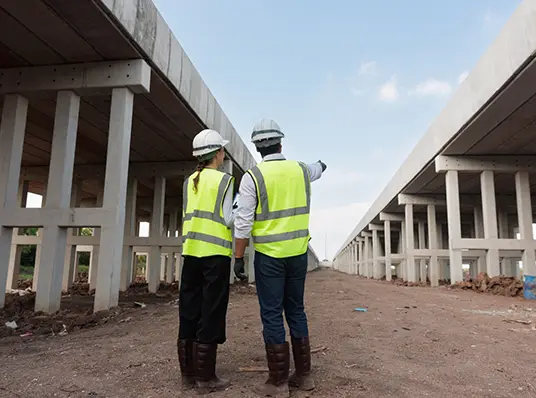
- Site Planning & Layout: Strategic building placement, fire access, loading zones, and pedestrian routes designed to satisfy code requirements while ensuring real-world functionality.
- Grading & Earthwork: We engineer balanced cut/fill strategies, ADA-compliant grades, and stable slopes to ensure proper drainage without unnecessary retaining walls or earth movement.
- Stormwater Management: Design of detention/retention systems, outlet control structures, and conveyance networks that meet local criteria for water quality and volume control.
- Utilities & Infrastructure: Coordination of domestic and fire water, sanitary sewer (gravity/lift stations), storm sewer, and dry utilities with realistic elevations and cover depths.
- Permitting & Compliance: Production of complete, jurisdiction-ready submittals and active coordination with reviewers to maintain schedule momentum.
- Construction Documents & Support: Rigorous plan sets, specifications, bid quantities, RFI management, shop drawing reviews, and punch list administration.
Ready to Move Forward? Share your site parameters, goals, and timeline. We will outline the scope, deliverables, and a realistic schedule—then execute.
Ready to Move Forward?
Share your site parameters, goals, and timeline.
We will outline the scope, deliverables, and a realistic schedule—then execute.
Why Tennessee Teams Choose Austin Engineering
-

Schedules That Hold
We proactively plan around jurisdictional review windows, utility coordination, and contractor sequencing. Our submittals are complete, and we address reviewer questions rapidly.
-

Cost-Aware Design
We right-size detention, simplify grading where feasible, and route utilities to minimize conflicts—strategic choices that reduce change orders and lower lifecycle costs.
-

Field-Ready Clarity
Our plans feature precise labeling, spot elevations, and profiles that allow crews to build without guesswork. Clear documentation reduces RFIs and compresses bid cycles.
-

Professional Credibility
Our team maintains active leadership in AWWA, ISPE, NSPE, ISPLS, and ISPLA, ensuring our standards remain current and our documentation remains reviewer-friendly.
Key Components of Success
- Discovery & Constraints: We identify zoning, access, utility availability, drainage patterns, and schedule drivers immediately.
- Concept & Cost Analysis: We develop options that balance earthwork, utility efficiency, parking, and building placement to optimize value.
- Coordination & Permitting: We align with architectural and MEP teams, preparing complete submittals tailored to the specific reviewing authority.
- Construction Documents: We produce clear plans, specifications, and quantities to ensure competitive bids and fewer field questions.
- Construction Support: We remain engaged through RFI responses, shop drawing reviews, and site visits to ensure a clean closeout.
A Featured Project That Tells Our Story
The Foundry Shopping Center Bloomington, IL
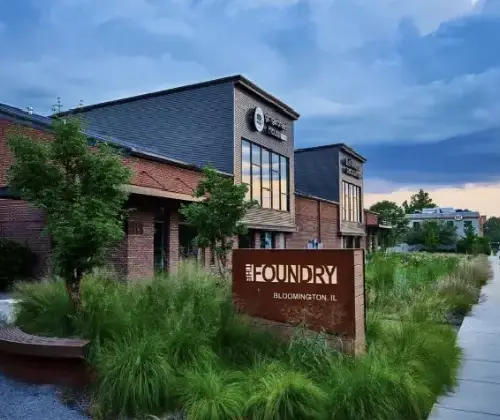
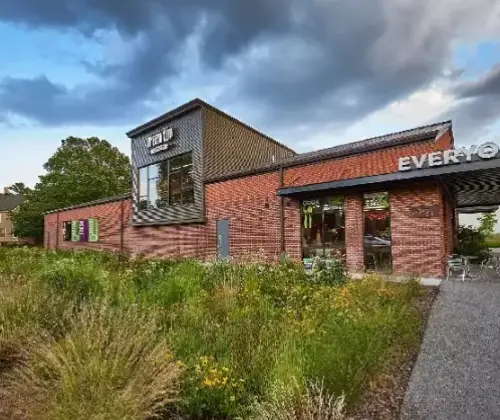
We provided site planning, stormwater design, and landscape architecture for this retail hub built on a former foundry site.
The project includes native plantings, permeable paving, and pedestrian-friendly connections to the Constitution Trail, blending sustainability with community-focused design every step of the way.
Sectors We Support in Southeast Tennessee
Commercial & Mixed-Use Retail centers, restaurants, pad sites, and shared access corridors designed for visibility and flow.
Municipal & Public Streetscapes, civic sites, drainage improvements, and utility upgrades that serve the community.
Industrial & Logistics Heavy-duty pavement design, optimized truck circulation, and utility capacity planning for operations.
Healthcare & Education Safe access planning, wayfinding, and phased construction strategies to maintain campus operations.
Residential & Community Subdivisions, townhomes, and infill sites featuring durable, maintainable infrastructure details.
Ready to Get Your Proposal Together and Start Your Project?
Whether you are evaluating a site, preparing a submittal, or planning a fast-track build, Austin Engineering delivers the plans owners, reviewers, and contractors trust.
Chattanooga Office
- 2115 Stein Drive, Suite 201, Chattanooga TN 37421
- (423) 379-2725
The Questions We Hear The Most
Yes. We frequently provide due diligence reviews and concept-level site planning to inform land acquisition, entitlement strategies, and project scheduling.
For a typical commercial site, the process from concept through permit submittal generally requires 6–10 weeks, contingent on complexity and agency review cycles. We confirm a specific schedule during project kickoff.
Absolutely. We align our grading designs with geotechnical recommendations and integrate boundary/topographic data directly from your surveyor. If needed, we can also assist in sourcing these sub-consultants.
Yes. We provide shop drawing reviews for civil items, rapid RFI responses, targeted site observations, and punch list management at closeout.
Expert Insight: Chattanooga Civil Engineering Standards
In Chattanooga TN, stormwater design adheres to the City of Chattanooga Stormwater Management Manual, utilizing NOAA Atlas 14 rainfall data for hydrologic modeling. Detention systems must meet specific MS4 requirements, including water quality treatment for the “first flush” and controlled release rates for the 2-, 10-, and 100-year storm events.
For utility infrastructure, storm sewer installations are reviewed under Chattanooga Department of Public Works standards, which dictate pipe materials, bedding, and jointing methods comparable to TDOT Standard Specifications Section 603. Strict horizontal (10 feet) and vertical (18 inches) separations from water and sanitary mains are enforced, often requiring ductile iron pipe with encasement in constrained corridors.
The Austin Advantage: Applying these requirements early in the design phase ensures grading, drainage, and utility layouts align with municipal expectations, significantly reducing resubmittals and preventing costly field changes.